How to Protect Your Concrete from Winter Salt Damage
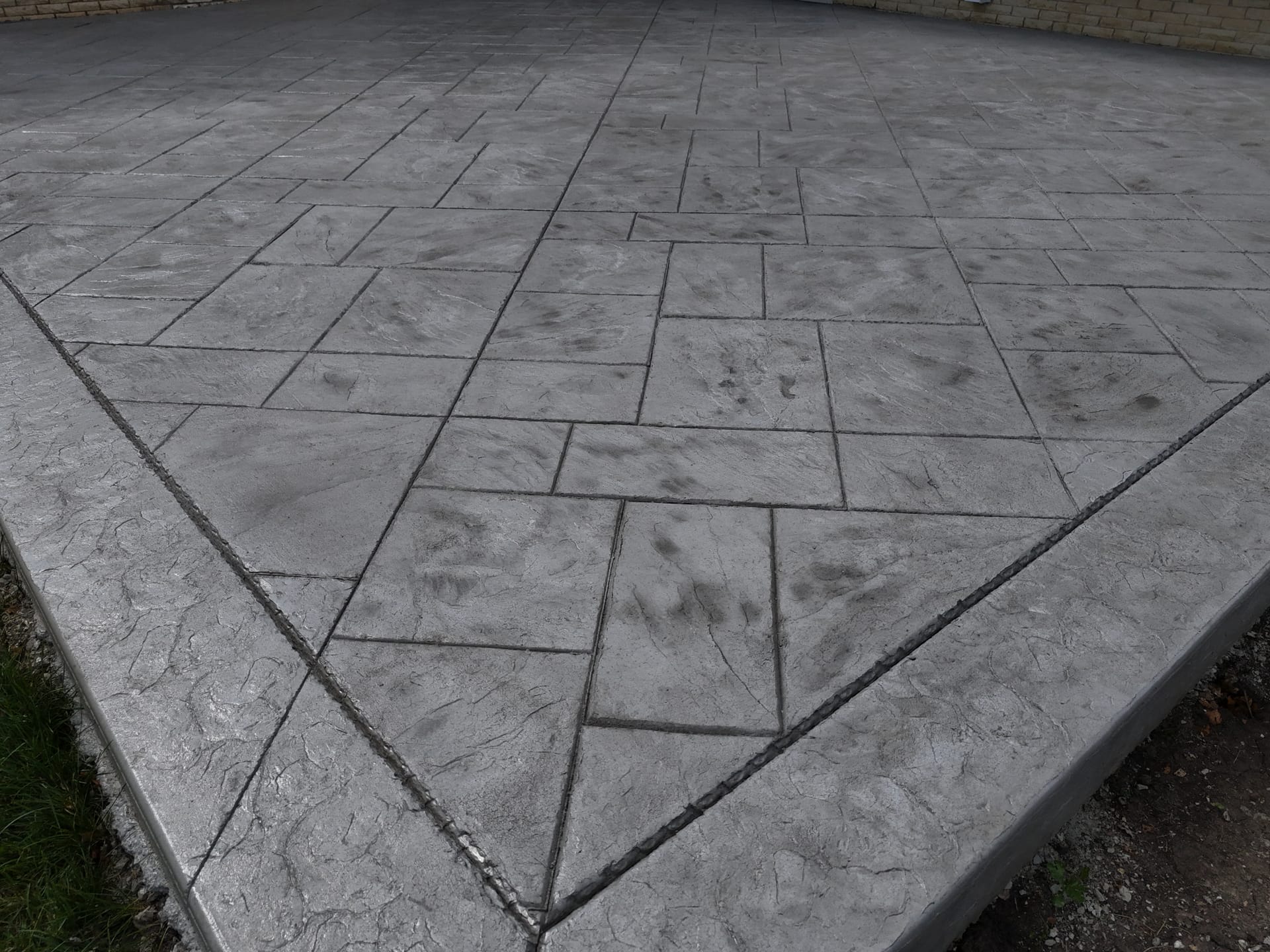
Every winter, we get calls from homeowners with spalling, flaking, and pitting on their concrete driveways and patios. The culprit? De-icing salts. Here's how salt damages concrete and exactly what you can do to prevent it.
How Salt Damages Concrete
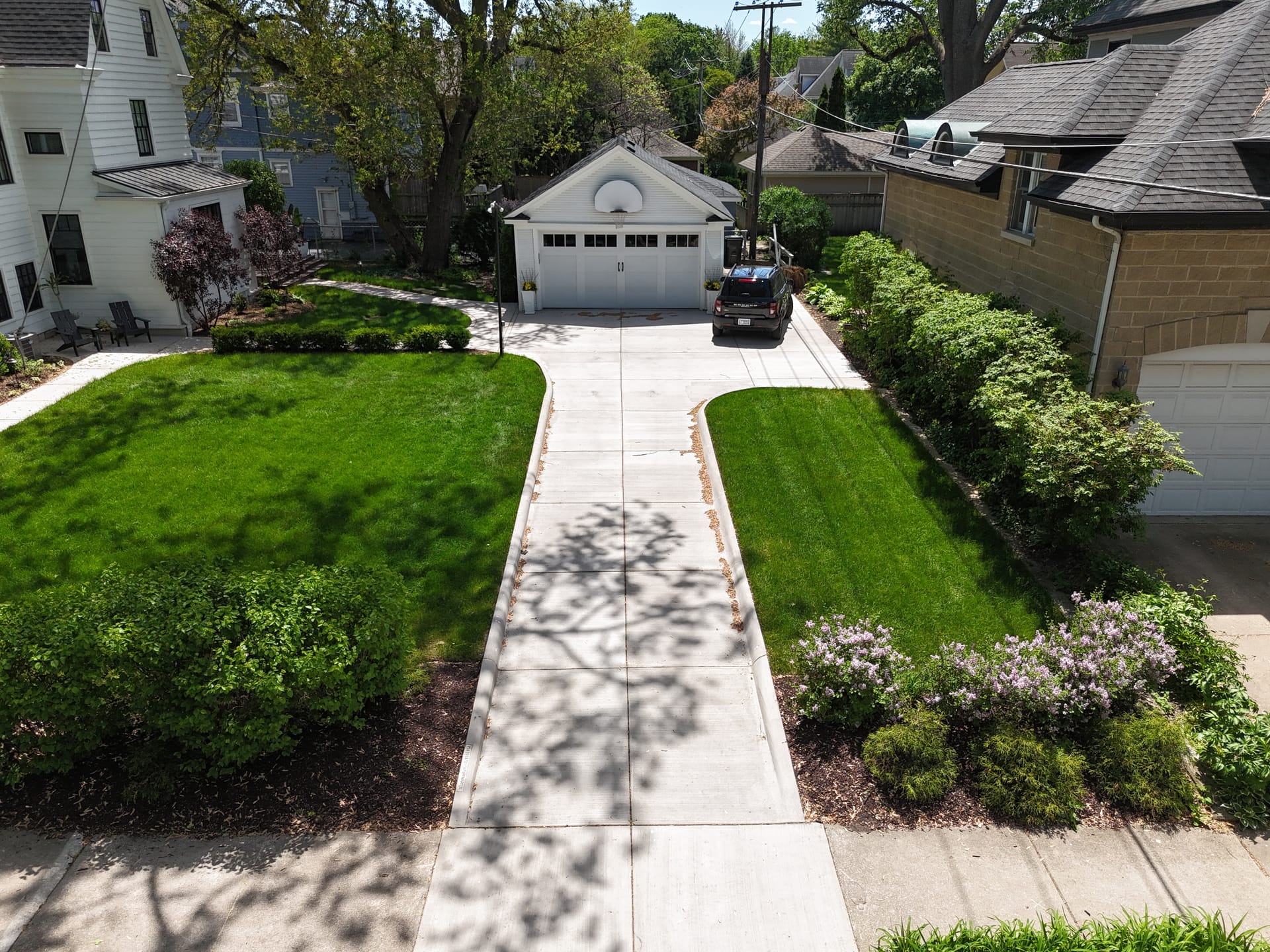
Salt doesn't just melt ice — it also increases the number of freeze-thaw cycles your concrete goes through. When salt melts ice, the water seeps into the concrete's pores. When it refreezes, it expands, creating tiny cracks. This cycle repeats dozens of times each winter, and those tiny cracks eventually cause the surface to flake and crumble. This is called spalling.
Not all de-icers are created equal. Rock salt (sodium chloride) is the most common and the most damaging. It's cheap but extremely harsh on concrete, metal, and landscaping. Calcium chloride is significantly gentler on concrete and works at lower temperatures (down to -25°F). Magnesium chloride is the gentlest option — it's less corrosive and more environmentally friendly.
Safe De-Icers for Concrete
De-icers to absolutely avoid on concrete: ammonium sulfate and ammonium nitrate (sometimes found in fertilizer-based ice melts). These are extremely destructive to concrete. Also avoid any product containing calcium magnesium acetate on new concrete — it can cause scaling.
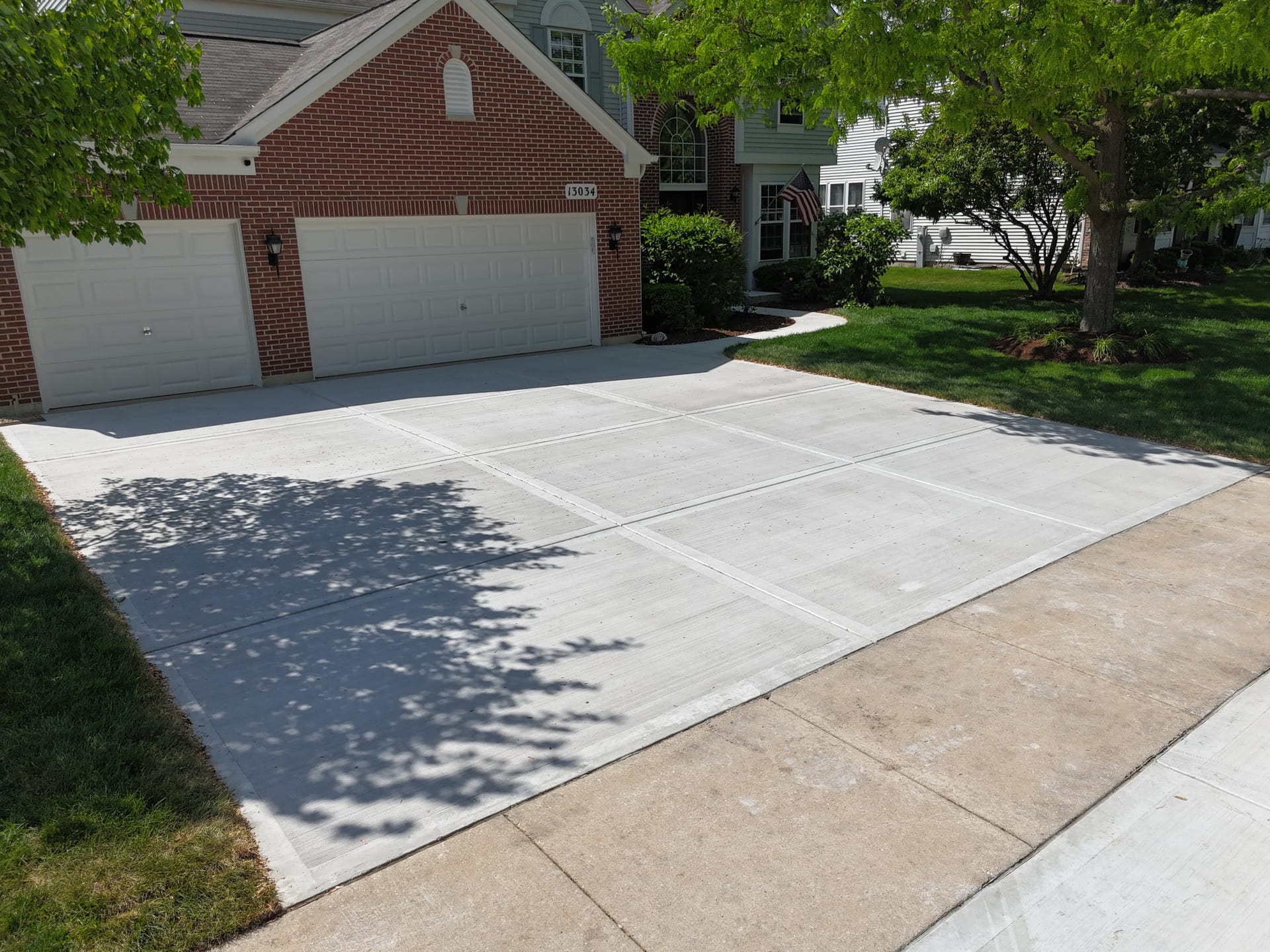
The best protection is prevention: seal your concrete before winter. A quality penetrating sealer fills the pores in the concrete, preventing water and salt from penetrating. We recommend applying sealer in September or October, before the first freeze. It costs $200-400 for a typical driveway and lasts 2-3 years.
Prevention: Sealing Before Winter
For new concrete (less than one year old), don't use any chemical de-icer the first winter. Period. New concrete hasn't fully cured and is extremely vulnerable to salt damage. Use sand or kitty litter for traction instead. After the first full year, you can use calcium chloride or magnesium chloride sparingly.
If you already have salt damage (surface flaking or spalling), the fix depends on severity. Minor surface damage can sometimes be repaired with a concrete resurfacer. But if the spalling is deep or widespread, a full replacement is usually the better investment. We can assess the damage and give you an honest recommendation.
Want to protect your concrete before winter? Call ZBL Concrete at (312) 721-0835. We offer sealing services and can inspect your concrete for any issues before cold weather hits.
Ready to Start Your Project?
Call Bryan directly at (312) 721-0835 or request a free estimate online.
Get Free Estimate